
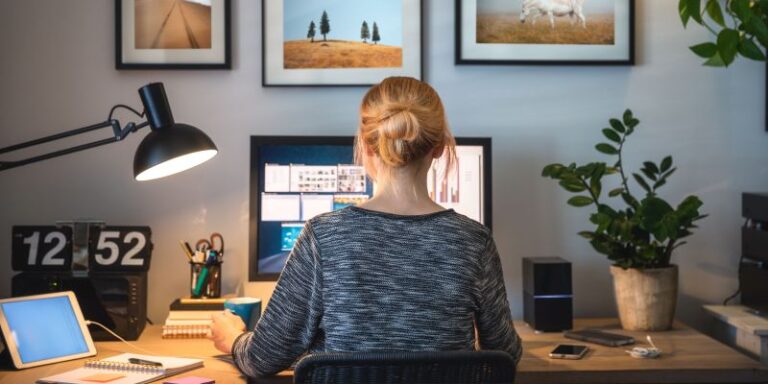

Creating a designated workspace improves productivity and concentration by establishing clear boundaries between work and personal activities. Research demonstrates that physical environment directly influences cognitive performance and task completion rates. A dedicated work area should be separate from spaces used for relaxation, entertainment, or sleep to maintain psychological distinctions between work and leisure time.
The workspace can range from a complete home office to a specific corner of a room, provided it remains consistently designated for work activities. This consistency helps establish routine and mental associations that facilitate the transition into work mode. Location selection significantly affects work performance.
Optimal workspaces are positioned in areas with minimal noise and interruptions, away from high-traffic zones and household activities. Environmental factors that enhance productivity include adequate ventilation, natural lighting when possible, and organized storage systems that reduce visual clutter. Studies indicate that well-organized, distraction-free environments can increase focus duration and task accuracy.
The physical setup should support the specific work requirements, whether that involves computer work, creative tasks, or administrative duties. Regular maintenance of the workspace organization helps sustain its effectiveness over time.
Key Takeaways
- Designate a specific area for work to enhance focus and productivity.
- Choose ergonomic furniture and organize your workspace to reduce clutter and improve comfort.
- Maximize natural light and use appropriate lighting to create a well-lit environment.
- Manage cables effectively and add plants or decor to create a calming atmosphere.
- Set clear work-life boundaries, include regular breaks, and incorporate movement into your daily routine.
Choosing the right furniture and equipment
Selecting the right furniture and equipment is essential for creating an effective workspace. The choice of desk and chair can greatly influence comfort and productivity levels. A desk should be spacious enough to accommodate necessary tools such as computers, notebooks, and other essential items without feeling cramped.
Additionally, it should be at an appropriate height to promote good posture while working. A clutter-free surface can help maintain focus, so opting for desks with built-in storage or cable management features can be beneficial. Equally important is the selection of a chair that supports ergonomic principles.
A well-designed chair can prevent discomfort and long-term health issues associated with prolonged sitting. Features such as adjustable height, lumbar support, and armrests can make a significant difference in comfort levels during long work sessions. Furthermore, investing in quality equipment like monitors, keyboards, and mice can enhance efficiency and reduce strain on the body.
By carefully considering these elements, individuals can create a workspace that not only looks appealing but also supports their physical well-being.
Organizing and decluttering your workspace
An organized workspace is vital for maintaining focus and efficiency. Clutter can lead to distractions and hinder productivity, making it essential to regularly assess and declutter the area. This process involves sorting through items and determining what is necessary for daily tasks.
Unused items should be removed or stored away to create a clean and inviting environment. Implementing organizational tools such as trays, file organizers, or drawer dividers can help keep essential items within reach while minimizing visual chaos. In addition to physical decluttering, digital organization is equally important.
Keeping files organized on computers and ensuring that digital tools are easily accessible can streamline workflow. Regularly reviewing and deleting unnecessary files can prevent digital clutter from becoming overwhelming. By establishing a routine for both physical and digital organization, individuals can create a workspace that promotes clarity of thought and enhances overall productivity.
Maximizing natural light and adding artificial lighting
Natural light has been shown to have numerous benefits for mental well-being and productivity. When designing a workspace, maximizing exposure to natural light should be a priority. Positioning the desk near windows can allow for ample sunlight during the day, which can boost mood and energy levels.
Additionally, incorporating sheer curtains can help diffuse harsh sunlight while still allowing light to filter through, creating a warm and inviting atmosphere. However, relying solely on natural light may not always be feasible, especially during darker months or in spaces with limited windows. Therefore, adding artificial lighting is essential for maintaining an effective workspace.
Task lighting, such as desk lamps with adjustable brightness, can provide focused illumination for reading or writing tasks without causing eye strain. Ambient lighting can also enhance the overall atmosphere of the workspace, making it feel more welcoming. By thoughtfully combining natural and artificial lighting, individuals can create a bright and energizing environment conducive to productivity.
Setting up a comfortable and ergonomic chair
| Metric | Description | Typical Value | Unit |
|---|---|---|---|
| Average Daily Work Hours | Number of hours worked per day in a home setup | 7.5 | hours |
| Internet Speed | Average download speed required for smooth remote work | 50 | Mbps |
| Ergonomic Chair Usage | Percentage of remote workers using ergonomic chairs | 65 | % |
| Dedicated Workspace | Percentage of workers with a dedicated home office space | 70 | % |
| Average Setup Cost | Typical one-time cost for home office equipment | 300 | units |
| Video Conference Hours | Average hours spent on video calls per day | 2 | hours |
| Work-Life Balance Rating | Average rating of work-life balance on a scale of 1-10 | 7.8 | score |
The importance of a comfortable and ergonomic chair cannot be overstated when it comes to creating an effective workspace. A chair that supports proper posture can significantly reduce the risk of discomfort or injury associated with prolonged sitting. Features such as adjustable height, lumbar support, and seat depth are crucial in ensuring that the chair fits the individual’s body type and working style.
A well-designed chair allows for movement and flexibility while providing adequate support to the back and neck. In addition to ergonomic features, aesthetics also play a role in chair selection. A visually appealing chair can enhance the overall look of the workspace while still providing comfort.
Individuals should consider materials that are breathable and easy to clean, as well as colors that complement their workspace decor. By investing in a quality chair that prioritizes both comfort and style, individuals can create an environment that encourages productivity while also being visually pleasing.
Managing cables and cords for a tidy workspace
A tidy workspace is not only visually appealing but also contributes to improved focus and efficiency. One common source of clutter in modern workspaces is the multitude of cables and cords associated with electronic devices. Managing these cables effectively is essential for maintaining an organized environment.
Utilizing cable management solutions such as clips, sleeves, or trays can help keep cords neatly arranged and out of sight. Additionally, planning the layout of electronic devices can minimize cable clutter from the outset. Positioning devices strategically to reduce the length of cords needed can make a significant difference in overall tidiness.
Regularly reviewing cable connections and ensuring that unused cords are removed or stored away can further enhance organization. By taking proactive steps to manage cables and cords, individuals can create a clean workspace that promotes focus and efficiency.
Incorporating plants and decor for a calming environment
Incorporating plants and decor into a workspace can significantly enhance its ambiance and contribute to a calming environment. Plants not only add aesthetic appeal but also improve air quality and promote mental well-being. Research has shown that having greenery in workspaces can reduce stress levels and increase productivity.
Choosing low-maintenance plants such as succulents or snake plants makes it easier for individuals to enjoy the benefits of nature without added stress. Decor elements such as artwork or personal mementos can also contribute to a positive atmosphere in the workspace. These items can serve as sources of inspiration or reminders of personal achievements, fostering motivation throughout the workday.
However, it’s essential to strike a balance; too much decor can lead to visual clutter. By thoughtfully selecting plants and decor that resonate personally while maintaining simplicity, individuals can create an inviting workspace that encourages creativity and focus.
Implementing soundproofing solutions for a quieter workspace
Noise distractions can significantly hinder productivity in any workspace. Implementing soundproofing solutions is an effective way to create a quieter environment conducive to concentration. Simple measures such as using rugs or carpets can help absorb sound in a room, reducing echoes and background noise.
Additionally, heavy curtains or soundproof panels can be installed to further minimize external disturbances. For those who work in shared spaces or environments with constant noise, investing in noise-canceling headphones may be beneficial. These headphones allow individuals to immerse themselves in their work without being distracted by surrounding sounds.
Creating a quiet workspace not only enhances focus but also contributes to overall mental well-being by reducing stress levels associated with noise pollution.
Utilizing storage solutions for a more organized space
Effective storage solutions are key to maintaining an organized workspace that promotes productivity. Utilizing shelves, cabinets, or storage bins allows individuals to keep essential items within reach while minimizing clutter on desks or work surfaces. Vertical storage options are particularly useful in smaller spaces, as they maximize available square footage without sacrificing accessibility.
In addition to physical storage solutions, digital organization tools such as cloud storage or project management software can help streamline workflow by keeping files organized and easily accessible. Regularly reviewing storage systems ensures that they remain functional and relevant to current needs. By implementing effective storage solutions both physically and digitally, individuals can create an organized workspace that enhances efficiency and reduces stress.
Establishing a routine and boundaries for work-life balance
Establishing a routine is essential for maintaining work-life balance in any workspace setting. A consistent schedule helps individuals delineate between work hours and personal time, reducing the risk of burnout associated with constant connectivity. Setting specific start and end times for work each day creates structure while allowing for flexibility when needed.
Additionally, establishing boundaries with family members or housemates regarding work hours is crucial for minimizing distractions during focused work periods. Communicating these boundaries clearly helps create mutual respect for each other’s time and space within shared environments. By prioritizing routine and boundaries, individuals can foster a healthier work-life balance that promotes both productivity and personal well-being.
Incorporating breaks and movement into your workday schedule
Incorporating breaks and movement into the workday is vital for maintaining energy levels and overall productivity. Research has shown that taking regular breaks enhances focus and creativity while reducing fatigue associated with prolonged sitting or screen time. Scheduling short breaks throughout the day allows individuals to recharge mentally and physically.
Movement is equally important; incorporating stretching exercises or short walks during breaks can alleviate tension built up from sitting for extended periods. Simple activities like standing up to stretch or taking brief walks around the room can invigorate both body and mind. By prioritizing breaks and movement within their workday schedule, individuals can enhance their overall productivity while promoting long-term health benefits associated with an active lifestyle.
In conclusion, creating an effective workspace involves thoughtful consideration of various elements ranging from organization to comfort and aesthetics. By implementing strategies such as establishing designated areas for work, selecting appropriate furniture, managing clutter, maximizing light sources, ensuring ergonomic seating arrangements, controlling noise levels, incorporating greenery, utilizing storage solutions effectively, setting boundaries for work-life balance, and prioritizing breaks—individuals can cultivate an environment that not only enhances productivity but also supports overall well-being in their professional lives.
FAQs
What is a work from home setup?
A work from home setup refers to the arrangement and environment created at home to perform professional tasks effectively. It typically includes a dedicated workspace, necessary technology such as a computer and internet connection, and ergonomic furniture.
What equipment is essential for a work from home setup?
Essential equipment includes a reliable computer or laptop, high-speed internet, a comfortable chair, a desk, and peripherals like a keyboard, mouse, and headset. Additional items may include a webcam, printer, and external monitors.
How can I create an ergonomic work from home setup?
To create an ergonomic setup, use a chair that supports your lower back, position your monitor at eye level, keep your feet flat on the floor, and maintain a neutral wrist position while typing. Taking regular breaks and adjusting your posture is also important.
What are the benefits of having a dedicated workspace at home?
A dedicated workspace helps improve focus, reduces distractions, separates work from personal life, and promotes better organization. It also signals to others in the household that you are working, which can minimize interruptions.
How can I stay productive while working from home?
Staying productive involves setting a routine, creating a comfortable and organized workspace, minimizing distractions, using productivity tools, taking regular breaks, and setting clear boundaries between work and personal time.
Is a high-speed internet connection necessary for working from home?
Yes, a high-speed and stable internet connection is crucial for tasks such as video conferencing, accessing cloud services, and communicating with colleagues efficiently.
How can I maintain work-life balance when working from home?
Maintaining work-life balance can be achieved by setting specific work hours, taking breaks, creating a separate workspace, avoiding work-related tasks outside of designated hours, and engaging in regular physical activity.
What are common challenges of a work from home setup?
Common challenges include distractions, feelings of isolation, difficulty separating work and personal life, technical issues, and maintaining communication with colleagues.
Can I use a laptop for my work from home setup?
Yes, a laptop is commonly used for work from home setups due to its portability and convenience. However, pairing it with external monitors and peripherals can enhance comfort and productivity.
How important is lighting in a work from home setup?
Good lighting is important to reduce eye strain and improve focus. Natural light is ideal, but adjustable desk lamps or overhead lighting can also be effective. Avoid glare on screens by positioning lights appropriately.