
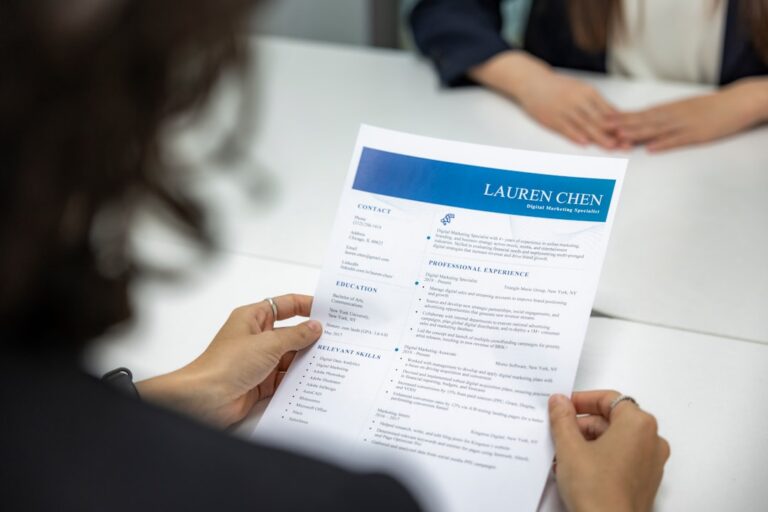

A resume is a professional document that summarizes an individual’s work experience, education, skills, and qualifications for potential employers. It serves as the primary screening tool in the hiring process, allowing recruiters and hiring managers to quickly evaluate whether a candidate meets the basic requirements for a position. The document typically includes sections such as contact information, professional summary, work history, education, and relevant skills.
Employers use resumes to narrow down large applicant pools before conducting interviews, making it a crucial component of job applications across most industries. Effective resumes are tailored to specific positions and highlight relevant accomplishments rather than simply listing job duties. They should demonstrate measurable achievements and showcase skills that directly relate to the target role.
Research indicates that hiring managers typically spend only 6-10 seconds initially reviewing each resume, emphasizing the importance of clear formatting and strategic content placement. The resume’s role extends beyond mere documentation of past employment. It establishes the candidate’s professional brand and communicates their potential value to an organization.
When properly crafted, a resume can differentiate candidates in competitive markets by clearly articulating their qualifications and demonstrating alignment with employer needs.
Key Takeaways
- A resume should clearly communicate your qualifications and fit for the job.
- Tailor your resume content and format to match the specific job description.
- Use strong action verbs and quantify achievements to demonstrate impact.
- Include relevant skills, education, and work experience prominently.
- Proofread carefully and incorporate keywords to pass applicant tracking systems.
Identifying Key Components of a Resume
A well-structured resume typically includes several key components that collectively create a comprehensive picture of the candidate’s qualifications. The most fundamental elements include contact information, a professional summary or objective statement, work experience, education, and skills. Each section plays a vital role in conveying relevant information to potential employers.
For instance, contact information should be prominently displayed at the top, ensuring that hiring managers can easily reach out for further discussions. In addition to these core components, candidates may also choose to include sections such as certifications, volunteer work, or professional affiliations. These additional elements can provide further insight into the applicant’s character and commitment to their field.
By carefully selecting which components to include and how to present them, candidates can tailor their resumes to reflect their unique experiences and aspirations, ultimately enhancing their appeal to prospective employers.
Crafting a Strong Summary or Objective Statement
The summary or objective statement is often the first section that hiring managers read, making it crucial for candidates to craft this part with care. A strong summary succinctly encapsulates the candidate’s professional identity, highlighting key achievements and skills that align with the desired position. It should be tailored to reflect not only the individual’s qualifications but also their career goals and how they relate to the prospective employer’s needs.
On the other hand, an objective statement focuses more on the candidate’s aspirations and what they hope to achieve in their next role. While both approaches can be effective, candidates should choose one that best represents their current career stage and intentions. A well-crafted summary or objective statement can set the tone for the entire resume, drawing in hiring managers and encouraging them to read further.
Highlighting Relevant Skills and Accomplishments
When it comes to showcasing skills and accomplishments, candidates must prioritize relevance and specificity. Employers are often looking for particular competencies that align with the job description, so it is essential for applicants to identify and emphasize these skills. This may include both hard skills—such as technical proficiencies—and soft skills—like communication or leadership abilities.
By presenting a balanced mix of both types of skills, candidates can demonstrate their versatility and readiness for the role. Accomplishments should also be highlighted in a way that quantifies success whenever possible. Instead of simply stating responsibilities held in previous positions, candidates should focus on what they achieved during their tenure.
For example, rather than saying “managed a team,” one could say “led a team of five to increase sales by 20% within six months.” This approach not only provides concrete evidence of capability but also paints a vivid picture of the candidate’s impact in previous roles.
Tailoring Your Resume to the Job Description
| Resume Section | Recommended Length | Key Tips | Common Metrics |
|---|---|---|---|
| Contact Information | 1 line | Include full name, phone number, email, LinkedIn URL | N/A |
| Summary or Objective | 2-3 sentences | Highlight career goals and key skills relevant to the job | 50-100 words |
| Work Experience | 3-5 bullet points per job | Use action verbs, quantify achievements, focus on relevant roles | Use numbers like % increase, saved, projects completed |
| Education | 1-2 lines per degree | Include degree, institution, graduation year, honors | GPA if above 3.0 (optional) |
| Skills | 5-10 skills | List relevant technical and soft skills | Include proficiency levels if applicable |
| Additional Sections (Certifications, Awards) | Varies | Include only relevant and recent achievements | Number of certifications or awards |
| Total Resume Length | 1 page (entry-level), 2 pages (experienced) | Keep concise and focused | Typically 400-600 words |
One of the most effective strategies for creating a compelling resume is tailoring it specifically to each job application. This involves carefully analyzing the job description and identifying key qualifications and skills that the employer is seeking. By aligning one’s experiences and competencies with these requirements, candidates can create a targeted resume that speaks directly to the needs of the employer.
Tailoring does not mean altering one’s qualifications; rather, it involves emphasizing the most relevant experiences and skills that match the job at hand. This may require rephrasing certain sections or reorganizing content to ensure that the most pertinent information is front and center. A customized resume demonstrates not only attention to detail but also genuine interest in the position, which can significantly enhance an applicant’s chances of being noticed by hiring managers.
Choosing the Right Format and Layout
The format and layout of a resume play an essential role in how information is presented and perceived by potential employers. There are several common formats—chronological, functional, and combination—that candidates can choose from based on their individual circumstances. A chronological format lists work experience in reverse order, making it ideal for those with a solid work history in a specific field.
Conversely, a functional format emphasizes skills over experience, which may benefit those with gaps in employment or those transitioning careers. Regardless of the chosen format, clarity and readability should be prioritized. A clean layout with consistent fonts, appropriate spacing, and clear headings will make it easier for hiring managers to navigate through the document.
Additionally, using bullet points for listing responsibilities and achievements can enhance readability by breaking up large blocks of text. Ultimately, an effective format should not only present information clearly but also reflect the candidate’s professionalism.
Emphasizing Education and Work Experience
Education and work experience are foundational elements of any resume, providing insight into an applicant’s qualifications and background. When detailing educational achievements, candidates should include relevant degrees, certifications, and any honors received. It is important to list this information in reverse chronological order as well, starting with the most recent educational experience.
For recent graduates or those with limited work experience, education may take precedence over professional history. Work experience should be presented in a way that highlights relevant roles and responsibilities while showcasing growth over time. Candidates should focus on positions that align closely with their career goals and provide context for their skills and accomplishments.
By emphasizing both education and work experience effectively, candidates can create a compelling narrative that illustrates their journey and readiness for new challenges.
Using Action Words and Quantifiable Results
The language used in a resume can significantly impact how experiences are perceived by hiring managers. Utilizing action words—such as “developed,” “implemented,” “led,” or “achieved”—can convey a sense of proactivity and accomplishment. These powerful verbs not only make descriptions more engaging but also help to paint a vivid picture of what the candidate has achieved in previous roles.
In addition to strong action words, incorporating quantifiable results can further enhance the impact of one’s accomplishments. Providing specific metrics—such as percentages, dollar amounts, or timeframes—can help illustrate the significance of achievements more clearly. For instance, stating “increased customer satisfaction ratings by 30% over one year” provides concrete evidence of success that resonates more strongly than vague statements about improving customer service.
Proofreading and Editing for Clarity and Accuracy
Once a resume has been drafted, it is crucial for candidates to take the time to proofread and edit for clarity and accuracy. Spelling errors or grammatical mistakes can undermine professionalism and attention to detail, potentially leading hiring managers to question an applicant’s suitability for a role. Therefore, candidates should review their resumes multiple times before submission, checking for any inconsistencies or errors.
In addition to self-editing, seeking feedback from trusted peers or mentors can provide valuable insights into how effectively the resume communicates its intended message. Fresh eyes may catch mistakes that the original author overlooked or suggest improvements that enhance clarity or impact. By investing time in proofreading and editing, candidates can ensure that their resumes present them in the best possible light.
Incorporating Keywords for Applicant Tracking Systems
In today’s digital age, many companies utilize Applicant Tracking Systems (ATS) to streamline their hiring processes. These systems scan resumes for specific keywords related to job descriptions before they even reach human eyes. As such, it is essential for candidates to incorporate relevant keywords throughout their resumes strategically.
This may include industry-specific terminology or phrases commonly found in job postings. To effectively identify these keywords, candidates should carefully analyze job descriptions for recurring terms related to required skills or qualifications. By weaving these keywords into various sections of their resumes—such as skills lists or work experience descriptions—candidates can improve their chances of passing through ATS filters and reaching hiring managers directly.
Seeking Feedback and Revising as Needed
Finally, seeking feedback on a resume is an invaluable step in the crafting process. Candidates should consider sharing their resumes with trusted colleagues or mentors who can provide constructive criticism based on their own experiences in hiring or reviewing applications. This feedback can help identify areas for improvement that may not have been apparent during self-review.
Revising based on feedback is equally important; it allows candidates to refine their resumes further and ensure they are presenting themselves as effectively as possible. Whether it involves rephrasing certain sections or adjusting formatting elements for better clarity, taking the time to revise can make all the difference in creating a standout resume that captures attention and opens doors to new opportunities.
FAQs
What is a resume?
A resume is a formal document that summarizes an individual’s education, work experience, skills, and accomplishments. It is typically used to apply for jobs and serves as a marketing tool to showcase qualifications to potential employers.
What are the main sections of a resume?
The main sections of a resume usually include Contact Information, Objective or Summary, Work Experience, Education, Skills, and sometimes Additional Sections such as Certifications, Awards, or Volunteer Work.
How long should a resume be?
A resume should generally be one to two pages long. For most job seekers, especially those with less than 10 years of experience, one page is sufficient. More experienced professionals may require two pages to adequately present their qualifications.
What format should I use for my resume?
Common resume formats include chronological (listing work experience in reverse chronological order), functional (focusing on skills and experience rather than work history), and combination (a mix of both). The chronological format is the most widely used and preferred by employers.
How can I make my resume stand out?
To make a resume stand out, tailor it to the specific job by including relevant keywords, highlight measurable achievements, use clear and concise language, and maintain a clean, professional layout. Avoid spelling and grammatical errors.
Should I include a photo on my resume?
In most countries, it is not recommended to include a photo on a resume unless specifically requested by the employer. Including a photo can lead to unconscious bias and is generally discouraged in the United States and many other regions.
Is it necessary to include references on a resume?
It is not necessary to include references on a resume. Instead, you can prepare a separate list of references to provide upon request. Including “References available upon request” is optional and often omitted.
How do I tailor my resume for different job applications?
To tailor a resume, carefully read the job description and incorporate relevant keywords and skills. Emphasize experiences and accomplishments that align with the job requirements, and adjust your objective or summary to reflect the specific role.
What is the difference between a resume and a CV?
A resume is a concise summary of skills and experience, typically one to two pages, used primarily in the United States and Canada. A CV (Curriculum Vitae) is a more detailed document that includes a full history of academic and professional achievements and is commonly used in academia and in countries outside North America.
Can I use templates to write my resume?
Yes, using resume templates can help create a professional and organized layout. However, it is important to customize the content to reflect your unique qualifications and to ensure the format is compatible with applicant tracking systems (ATS).