
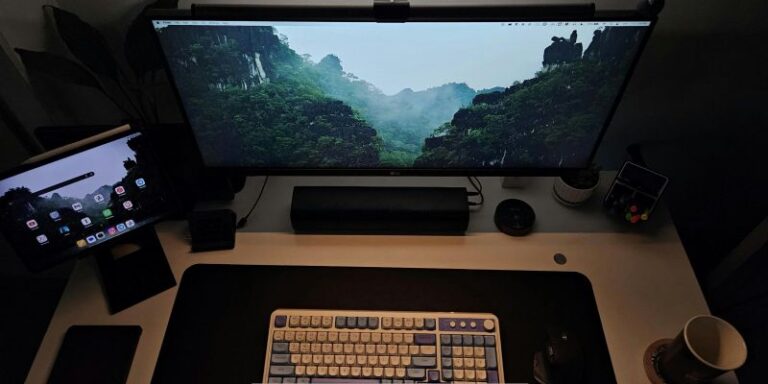

In today’s world, where remote work and flexible office environments have become standard, a well-designed desk setup is essential. An effective desk arrangement enhances productivity while expressing individual personality and style. With people spending significant portions of their day at their desks, creating a space that promotes creativity and concentration is increasingly important.
The desk functions as a personal workspace where ideas develop and tasks are completed. By integrating elements that align with personal preferences and work styles, individuals can create an inspiring environment. Considerations range from ergonomic design to aesthetic elements, offering numerous possibilities for workspace customization.
This discussion examines various aspects of desk design, providing practical guidance for creating an optimal workspace.
Key Takeaways
- Ergonomic setups enhance comfort and promote health during work.
- Personalizing your desk with decor and greenery creates a calming and inspiring environment.
- Organizational tools help maintain a clutter-free and efficient workspace.
- Incorporating technology and personalized lighting boosts productivity and mood.
- Using color psychology and motivational elements fosters creativity and focus.
Ergonomic Desk Setup for Comfort and Health
An ergonomic desk setup is essential for maintaining comfort and promoting health during long hours of work. The foundation of an ergonomic workspace begins with the desk and chair selection. A desk should be at a height that allows the user to keep their elbows at a 90-degree angle while typing, while the chair should provide adequate lumbar support to maintain proper posture.
Investing in an adjustable chair can make a significant difference, allowing users to customize their seating position for maximum comfort. In addition to chair and desk height, the arrangement of computer monitors and other equipment plays a crucial role in an ergonomic setup. Monitors should be positioned at eye level to prevent neck strain, while keyboards and mice should be placed within easy reach to minimize arm fatigue.
Footrests can also be beneficial for those who find their feet dangling or uncomfortable when seated. By prioritizing ergonomics, individuals can create a workspace that not only enhances productivity but also safeguards their health in the long run.
Personalizing Your Desk Space with Decor and Accessories
Personalization is key to making a desk space feel inviting and uniquely one’s own. Decorative elements such as artwork, photographs, or inspirational quotes can infuse personality into the workspace, making it a reflection of individual tastes and aspirations. Choosing decor that resonates with one’s interests can serve as a source of motivation during challenging tasks or long workdays.
Accessories also play a vital role in personalizing a desk setup. Items such as stylish pen holders, unique mouse pads, or custom notebooks can add flair while remaining functional. Incorporating personal mementos or travel souvenirs can evoke positive memories and create a sense of comfort in the workspace.
Ultimately, the goal is to curate an environment that feels both productive and enjoyable, allowing creativity to flourish amidst the daily grind.
Organizational Tools and Techniques for a Clutter-Free Desk
A clutter-free desk is essential for maintaining focus and enhancing productivity. Organizational tools such as drawer dividers, desktop organizers, and file holders can help keep essential items within reach while minimizing visual distractions. By categorizing items based on their usage—such as separating office supplies from personal items—individuals can create a more streamlined workspace that promotes efficiency.
In addition to physical organizational tools, digital organization is equally important in today’s tech-driven world. Utilizing cloud storage solutions and project management software can help keep digital files organized and accessible. Regularly decluttering both physical and digital spaces ensures that distractions are minimized, allowing individuals to concentrate on their tasks without unnecessary interruptions.
By implementing effective organizational techniques, one can cultivate a workspace that fosters clarity and focus.
Incorporating Greenery and Natural Elements for a Calming Workspace
| Desk Setup Idea | Key Features | Recommended For | Estimated Setup Time | Space Requirement |
|---|---|---|---|---|
| Minimalist Setup | Clean surface, essential items only, cable management | Focus and productivity enthusiasts | 1-2 hours | Small to medium |
| Ergonomic Setup | Adjustable chair, monitor stand, wrist support | People with back or wrist pain | 2-3 hours | Medium |
| Dual Monitor Setup | Two monitors, extended desk space, cable organizer | Multitaskers and designers | 3-4 hours | Large |
| Standing Desk Setup | Adjustable height desk, anti-fatigue mat | Health-conscious users | 2-3 hours | Medium to large |
| Creative Workspace | Colorful decor, art supplies, inspiration board | Artists and creative professionals | 3-5 hours | Medium |
The inclusion of greenery and natural elements in a desk setup can significantly enhance the overall ambiance of the workspace. Plants not only add aesthetic appeal but also contribute to improved air quality and reduced stress levels. Studies have shown that having plants nearby can boost mood and increase productivity, making them an excellent addition to any desk environment.
Choosing low-maintenance plants such as succulents or snake plants can be ideal for those who may not have a green thumb. Additionally, incorporating natural materials like wood or stone in desk accessories can create a harmonious connection with nature. The calming presence of greenery can transform an ordinary workspace into a serene retreat, encouraging creativity and focus while providing a refreshing escape from the hustle and bustle of daily tasks.
Utilizing Technology for a Modern and Efficient Desk Setup
In today’s fast-paced world, technology plays a pivotal role in enhancing desk setups for maximum efficiency. From dual-monitor setups to ergonomic keyboards, leveraging modern technology can streamline workflows and improve productivity. For instance, using software tools that facilitate collaboration among team members can make remote work more effective and engaging.
Moreover, integrating smart devices such as voice assistants or smart lighting systems can further enhance the functionality of a workspace. These technologies allow users to control their environment with ease, adjusting lighting or temperature settings without interrupting their workflow. By embracing technological advancements, individuals can create a modern desk setup that not only meets their needs but also adapts to their evolving work habits.
Creating a Multi-Functional Workspace for Versatility
As work environments continue to evolve, the need for multi-functional workspaces has become increasingly important. A versatile desk setup allows individuals to seamlessly transition between different tasks—whether it be working on a laptop, engaging in video calls, or brainstorming ideas on paper. This adaptability is crucial for maintaining productivity in an ever-changing work landscape.
To achieve this versatility, individuals can invest in modular furniture that can be easily reconfigured based on their needs. For example, using foldable desks or mobile carts can provide additional workspace when required while saving space when not in use. Additionally, incorporating areas designated for relaxation or creative thinking can further enhance the functionality of the workspace.
By designing a multi-functional environment, individuals can cultivate a space that supports various activities while promoting overall well-being.
Implementing Personalized Lighting for Productivity and Mood Enhancement
Lighting is an often-overlooked aspect of desk setups that can significantly impact productivity and mood. Natural light is ideal for creating an uplifting atmosphere; however, not all workspaces have access to ample sunlight. In such cases, investing in adjustable LED lamps with color temperature settings can help mimic natural light conditions throughout the day.
Personalized lighting solutions allow individuals to tailor their workspace according to their preferences and tasks at hand. For instance, warmer tones may be more conducive to relaxation during breaks, while cooler tones can enhance focus during intense work sessions. Additionally, incorporating ambient lighting elements such as string lights or decorative lamps can create a cozy atmosphere that fosters creativity and comfort.
By thoughtfully considering lighting options, individuals can enhance both productivity and overall well-being in their workspace.
Designing a Minimalist Desk Setup for a Clean and Focused Environment
Minimalism has gained popularity as an effective approach to creating clean and focused workspaces. A minimalist desk setup emphasizes simplicity by reducing clutter and distractions, allowing individuals to concentrate on their tasks without unnecessary visual noise. This design philosophy encourages users to keep only essential items on their desks while utilizing hidden storage solutions for everything else.
To achieve a minimalist aesthetic, individuals can opt for sleek furniture designs with clean lines and neutral color palettes. Choosing multifunctional accessories—such as organizers that double as decor—can further streamline the workspace while maintaining visual appeal. By embracing minimalism, individuals can cultivate an environment that promotes clarity of thought and enhances overall productivity.
Utilizing Color Psychology to Enhance Creativity and Focus
Color psychology plays a significant role in influencing mood and productivity within a workspace. Different colors evoke various emotions; therefore, selecting the right hues for a desk setup can enhance creativity and focus. For instance, blue is often associated with calmness and concentration, making it an excellent choice for those engaged in analytical tasks.
On the other hand, vibrant colors like yellow or orange can stimulate creativity and energy, making them suitable for brainstorming sessions or creative projects. Incorporating these colors through wall art, desk accessories, or even stationery can create an environment that aligns with one’s work objectives. By understanding the impact of color on mood and productivity, individuals can design their desk setups to foster an atmosphere conducive to success.
Incorporating Inspirational and Motivational Elements for a Productive Workspace
Inspiration plays a crucial role in maintaining motivation throughout the workday. Incorporating elements that inspire creativity or remind individuals of their goals can significantly enhance productivity within the workspace. This could include displaying quotes from influential figures or personal achievements prominently on the wall or desk.
Additionally, vision boards or goal-setting charts can serve as constant reminders of aspirations and objectives. These visual cues not only motivate individuals but also create an environment filled with positive energy that encourages perseverance during challenging tasks. By thoughtfully integrating inspirational elements into their desk setups, individuals can cultivate a workspace that fuels ambition and drives success.
In conclusion, creating an ideal desk setup involves careful consideration of various factors ranging from ergonomics to personalization and organization. By implementing these creative ideas and strategies, individuals can transform their workspaces into environments that inspire productivity while reflecting their unique personalities. Whether through incorporating greenery or utilizing technology effectively, each element contributes to crafting a space that enhances focus and creativity—ultimately leading to greater satisfaction in both work and life.
FAQs
What are some essential items for a productive desk setup?
Essential items for a productive desk setup include a comfortable chair, a spacious desk, good lighting, an ergonomic keyboard and mouse, a monitor or laptop stand, and organizational tools like trays or drawers.
How can I make my desk setup more ergonomic?
To make your desk setup more ergonomic, ensure your chair supports your lower back, keep your feet flat on the floor, position your monitor at eye level, use a keyboard and mouse that reduce strain, and maintain good posture while working.
What are some space-saving desk setup ideas for small rooms?
Space-saving ideas include using wall-mounted shelves, a foldable or compact desk, vertical storage solutions, multi-functional furniture, and keeping only essential items on the desk to reduce clutter.
How important is lighting in a desk setup?
Lighting is very important as it reduces eye strain and improves focus. Natural light is ideal, but adjustable desk lamps with soft, bright light can also enhance your workspace.
Can adding plants improve my desk setup?
Yes, adding plants can improve your desk setup by enhancing air quality, reducing stress, and creating a more pleasant and inviting workspace.
What are some tips for organizing cables in a desk setup?
Tips for organizing cables include using cable clips, sleeves, or ties, routing cables behind the desk, labeling cords, and using a cable management box to keep wires neat and out of sight.
How can I personalize my desk setup without cluttering it?
You can personalize your desk by adding a few meaningful items like photos, artwork, or a small plant, while keeping the overall space tidy and organized to maintain productivity.
Is it better to have multiple monitors or a single large monitor?
The choice depends on your work needs. Multiple monitors can increase productivity by allowing you to view multiple applications simultaneously, while a single large monitor offers a seamless display and less desk clutter.
What role does desk height play in a good setup?
Desk height is crucial for comfort and ergonomics. It should allow your elbows to be at a 90-degree angle when typing, preventing strain on your shoulders and wrists.
How often should I clean and declutter my desk?
It is recommended to clean and declutter your desk at least once a week to maintain a tidy, efficient, and pleasant workspace.