
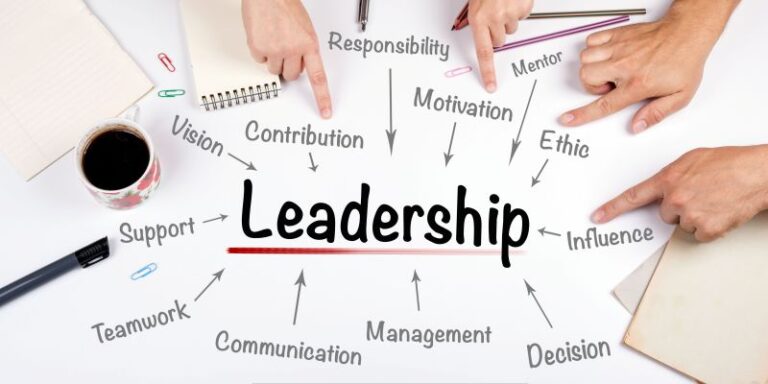

The role of a leader is multifaceted and complex, encompassing a range of responsibilities that extend beyond mere management. A leader is not just someone who holds a position of authority; they are visionaries who inspire and guide others toward a common goal. They must possess a deep understanding of their team’s dynamics, strengths, and weaknesses, as well as the broader organizational context in which they operate.
This understanding allows leaders to make informed decisions that align with both the needs of their team and the objectives of the organization. Moreover, effective leaders recognize that their influence extends beyond their immediate team. They are often seen as role models within the organization, setting the tone for workplace culture and values.
By embodying the principles they advocate, leaders can foster an environment of trust and respect. This not only enhances team cohesion but also encourages individuals to take ownership of their roles, ultimately driving collective success. In essence, understanding the role of a leader involves recognizing the delicate balance between authority and empathy, strategy and execution.
Key Takeaways
- Effective leadership requires clear communication, strong team-building, and adaptability to change.
- Inspiring others and fostering innovation are key to maintaining a motivated and forward-thinking team.
- Setting clear goals and making confident decisions drive organizational success.
- Managing conflict with integrity and leading by example build trust and respect.
- Continuous learning and personal growth are essential for sustained leadership effectiveness.
Developing Effective Communication Skills
Effective communication is a cornerstone of successful leadership. Leaders must be adept at conveying their vision, expectations, and feedback in a manner that resonates with their audience. This requires not only clarity in speech but also an acute awareness of non-verbal cues and active listening skills.
By fostering open lines of communication, leaders can create an environment where team members feel valued and understood, which in turn enhances collaboration and productivity. Furthermore, leaders should tailor their communication style to suit different situations and individuals. For instance, some team members may respond better to direct instructions, while others may thrive in a more collaborative dialogue.
By being flexible in their approach, leaders can ensure that their messages are received and understood as intended. Additionally, effective communication extends beyond verbal exchanges; it encompasses written communication as well. Leaders must be proficient in crafting clear emails, reports, and presentations that effectively convey their ideas and directives.
Building and Leading a Strong Team
Building a strong team is one of the most critical responsibilities of a leader. This process begins with identifying the right mix of skills, experiences, and personalities that complement one another. A diverse team can bring a wealth of perspectives to the table, fostering creativity and innovation.
Leaders must take the time to understand each team member’s unique strengths and how they can best contribute to the group’s objectives. Once a team is established, effective leadership involves nurturing relationships among team members. Leaders should encourage collaboration and open dialogue, creating opportunities for individuals to share ideas and feedback.
This not only strengthens interpersonal bonds but also cultivates a sense of belonging within the team. Additionally, leaders must be proactive in addressing any issues that arise within the group dynamic, ensuring that conflicts are resolved swiftly and constructively. By prioritizing team cohesion and morale, leaders can drive their teams toward achieving exceptional results.
Embracing Change and Adaptability
In today’s fast-paced world, change is an inevitable part of any organization. Leaders must embrace this reality and cultivate adaptability within themselves and their teams. This involves not only being open to new ideas and approaches but also encouraging a mindset that views change as an opportunity for growth rather than a threat.
By modeling this attitude, leaders can instill confidence in their teams, empowering them to navigate uncertainty with resilience. Adaptability also requires leaders to stay informed about industry trends and emerging technologies that may impact their organization. By remaining agile and responsive to these changes, leaders can position their teams for success in an ever-evolving landscape.
Furthermore, fostering a culture of adaptability encourages team members to take initiative and propose innovative solutions to challenges they encounter. In this way, leaders can transform potential obstacles into stepping stones for progress.
Fostering a Culture of Innovation
| Leadership Skill | Description | Key Metrics | Measurement Method |
|---|---|---|---|
| Communication | Ability to clearly convey ideas and information | Clarity score, Feedback rating | 360-degree feedback, Employee surveys |
| Decision Making | Making timely and effective decisions | Decision accuracy, Time to decision | Project outcomes, Peer reviews |
| Emotional Intelligence | Understanding and managing emotions in self and others | Empathy rating, Conflict resolution success | Self-assessment, Team feedback |
| Delegation | Assigning tasks effectively to team members | Task completion rate, Team workload balance | Project tracking, Team surveys |
| Vision | Ability to set a clear and inspiring direction | Goal alignment, Employee engagement | Strategic plan reviews, Engagement surveys |
| Adaptability | Adjusting leadership style to changing circumstances | Response time to change, Flexibility rating | Performance reviews, Change management feedback |
Innovation is essential for organizations seeking to maintain a competitive edge in today’s market. Leaders play a pivotal role in fostering a culture that encourages creativity and experimentation. This begins with creating an environment where team members feel safe to share their ideas without fear of criticism or failure.
By celebrating both successes and learning experiences from setbacks, leaders can inspire their teams to think outside the box. Moreover, leaders should actively seek out opportunities for collaboration across departments or disciplines. Interdisciplinary teamwork can lead to fresh perspectives and innovative solutions that may not have emerged within siloed groups.
By promoting cross-functional collaboration, leaders can harness the collective intelligence of their organization, driving innovation forward. Ultimately, fostering a culture of innovation requires leaders to be both visionaries and facilitators, guiding their teams toward uncharted territories while providing the support needed to explore new possibilities.
Setting Clear Goals and Objectives
Setting clear goals and objectives is fundamental to effective leadership. Leaders must articulate a compelling vision that aligns with the organization’s mission while providing specific targets for their teams to strive toward. These goals should be measurable, achievable, relevant, and time-bound (SMART), allowing team members to track their progress and stay motivated.
In addition to establishing goals at the organizational level, leaders should work collaboratively with their teams to set individual objectives that contribute to the larger vision. This not only fosters accountability but also empowers team members by giving them ownership over their contributions. Regular check-ins and progress assessments can help ensure that everyone remains aligned and focused on achieving these goals.
By providing clarity around expectations, leaders can enhance productivity and drive results.
Making Decisions with Confidence
Decision-making is a critical aspect of leadership that requires both analytical thinking and intuition. Leaders must be able to assess situations quickly, weigh potential outcomes, and make informed choices that benefit their teams and organizations. Confidence in decision-making stems from a combination of experience, knowledge, and trust in one’s judgment.
To enhance decision-making skills, leaders should cultivate a habit of gathering relevant information before reaching conclusions. This may involve consulting with team members or seeking input from experts within the organization. Additionally, leaders should be willing to take calculated risks when necessary, understanding that not every decision will yield perfect results.
By demonstrating confidence in their choices while remaining open to feedback and adjustments, leaders can inspire trust among their teams.
Inspiring and Motivating Others
Inspiration is a powerful tool in a leader’s arsenal. Great leaders have the ability to ignite passion within their teams, motivating individuals to go above and beyond in pursuit of shared goals. This often involves articulating a compelling vision that resonates with team members on both an emotional and intellectual level.
When individuals feel connected to a larger purpose, they are more likely to invest their energy and creativity into their work. Moreover, leaders can inspire others by recognizing and celebrating achievements—both big and small—within their teams. Acknowledgment fosters a sense of accomplishment and reinforces positive behaviors.
Additionally, providing opportunities for professional development can further motivate team members by demonstrating a commitment to their growth. By investing in their people and creating an environment where individuals feel valued, leaders can cultivate high levels of engagement and enthusiasm.
Managing Conflict and Resolving Issues
Conflict is an inevitable part of any team dynamic; however, how leaders manage these situations can significantly impact overall morale and productivity. Effective conflict resolution begins with open communication—leaders must create an environment where team members feel comfortable expressing their concerns or disagreements without fear of retribution. By actively listening to all parties involved, leaders can gain valuable insights into the root causes of conflict.
Once the underlying issues are identified, leaders should facilitate constructive discussions aimed at finding common ground or mutually beneficial solutions. This may involve mediating conversations between conflicting parties or encouraging collaboration on problem-solving efforts. By addressing conflicts head-on rather than allowing them to fester, leaders can foster a culture of transparency and trust within their teams.
Leading by Example and Integrity
Integrity is a cornerstone of effective leadership; it establishes credibility and trust between leaders and their teams. Leaders who lead by example demonstrate the values they wish to instill in others—whether it be accountability, respect, or dedication to excellence. When team members observe their leaders embodying these principles consistently, they are more likely to adopt similar behaviors themselves.
Additionally, transparency is crucial for maintaining integrity in leadership. Leaders should communicate openly about challenges facing the organization while also sharing successes with their teams. This honesty fosters trust and encourages team members to engage authentically with one another.
By prioritizing integrity in all aspects of leadership, individuals can create an environment where ethical behavior thrives.
Continuously Learning and Growing as a Leader
The journey of leadership is one marked by continuous learning and growth. Effective leaders recognize that they do not have all the answers; instead, they embrace opportunities for self-improvement through feedback from peers or mentors as well as ongoing education in relevant fields. This commitment to personal development not only enhances their own skills but also sets an example for their teams.
Moreover, fostering a culture of learning within an organization encourages team members to pursue professional development opportunities as well. Leaders should support initiatives such as training programs or workshops that empower individuals to expand their knowledge base and skill sets. By prioritizing continuous learning at both individual and organizational levels, leaders can cultivate an environment where innovation flourishes alongside personal growth.
In conclusion, effective leadership encompasses a wide array of skills and attributes that contribute to organizational success. From understanding one’s role as a leader to fostering innovation through adaptability and continuous learning—each aspect plays an integral part in shaping high-performing teams capable of achieving remarkable results together.
FAQs
What are leadership skills?
Leadership skills are the abilities and qualities that enable an individual to guide, motivate, and manage a group or organization effectively. These skills include communication, decision-making, problem-solving, delegation, and emotional intelligence.
Why are leadership skills important?
Leadership skills are important because they help individuals inspire and influence others, drive team performance, foster collaboration, and achieve organizational goals. Effective leadership can improve productivity, employee satisfaction, and overall success.
Can leadership skills be learned or are they innate?
Leadership skills can be both innate and learned. While some people may have natural leadership tendencies, many leadership skills can be developed and improved through training, experience, and practice.
What are some common types of leadership styles?
Common leadership styles include transformational, transactional, democratic, autocratic, laissez-faire, and servant leadership. Each style has different approaches to decision-making, communication, and team management.
How can one improve their leadership skills?
Improving leadership skills can be achieved by seeking feedback, engaging in leadership training programs, practicing effective communication, setting clear goals, learning from mentors, and gaining diverse experiences in leadership roles.
What role does emotional intelligence play in leadership?
Emotional intelligence is crucial in leadership as it involves understanding and managing one’s own emotions and those of others. High emotional intelligence helps leaders build strong relationships, resolve conflicts, and create a positive work environment.
Are leadership skills important in all industries?
Yes, leadership skills are valuable across all industries and sectors. Effective leadership is essential for managing teams, driving innovation, and achieving success regardless of the field.
What is the difference between leadership and management skills?
Leadership skills focus on inspiring and motivating people towards a vision or goal, while management skills involve planning, organizing, and coordinating resources to achieve specific objectives. Both are important but serve different functions within an organization.