
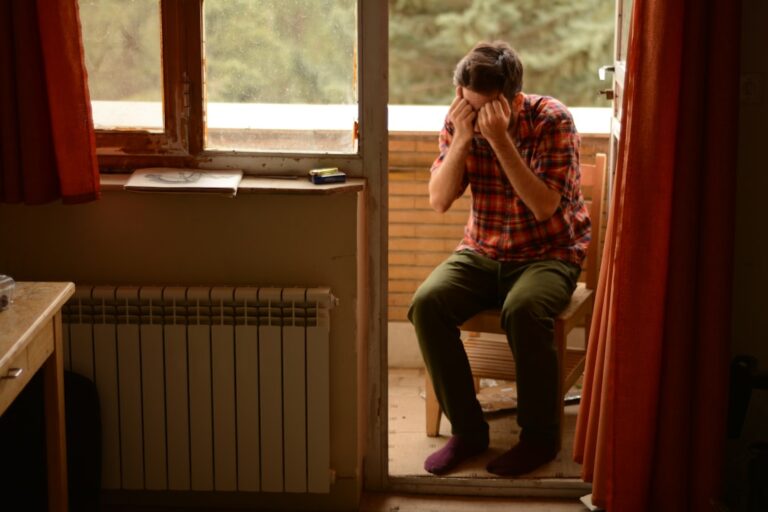

Burnout has emerged as a significant concern in contemporary society, particularly in the context of work and personal life. It is a state of emotional, physical, and mental exhaustion caused by prolonged and excessive stress. Individuals experiencing burnout often feel overwhelmed, emotionally drained, and unable to meet the constant demands placed upon them.
This phenomenon is not limited to any specific profession or demographic; rather, it can affect anyone who feels overworked and undervalued. The increasing pace of modern life, coupled with the pressures of work and personal responsibilities, has made burnout a prevalent issue that warrants attention. Understanding burnout is crucial for both individuals and organizations.
It is not merely a temporary phase of fatigue but a serious condition that can lead to significant health problems if left unaddressed. The World Health Organization has recognized burnout as an occupational phenomenon, emphasizing its impact on both mental health and workplace productivity. By acknowledging the signs and symptoms of burnout, individuals can take proactive steps to mitigate its effects and foster a healthier work-life balance.
Key Takeaways
- Burnout manifests through physical, emotional, behavioral, and cognitive symptoms that affect overall well-being.
- It can be identified by specific signs both in the workplace and in personal relationships.
- Recognizing burnout early in yourself and others is crucial for effective intervention.
- Ignoring burnout can lead to serious health and social consequences.
- Preventing and managing burnout involves practical strategies to maintain balance and reduce stress.
Physical Symptoms of Burnout
The physical manifestations of burnout can be quite alarming and often serve as the first indicators that something is amiss. Individuals may experience chronic fatigue that does not improve with rest, leading to a sense of constant exhaustion. This fatigue can be accompanied by headaches, gastrointestinal issues, and other stress-related ailments.
As the body struggles to cope with ongoing stress, it may also become more susceptible to illnesses, resulting in frequent colds or infections. The toll on physical health can be profound, as the body’s defenses weaken under the strain of relentless pressure. Moreover, sleep disturbances are common among those suffering from burnout.
Insomnia or disrupted sleep patterns can exacerbate feelings of fatigue and irritability, creating a vicious cycle that is difficult to break. Individuals may find themselves tossing and turning at night, unable to quiet their racing thoughts or relax their bodies. This lack of restorative sleep further diminishes their ability to cope with daily challenges, leading to a decline in overall well-being.
Recognizing these physical symptoms is essential for individuals to understand that their bodies are signaling a need for change.
Emotional Symptoms of Burnout
Emotional symptoms of burnout often manifest as feelings of hopelessness and detachment. Individuals may find themselves feeling increasingly cynical about their work or personal relationships, leading to a pervasive sense of dissatisfaction. This emotional numbness can create barriers to meaningful connections with others, as individuals withdraw from social interactions and become less engaged in activities they once enjoyed.
The joy that once accompanied achievements may fade, leaving behind a sense of emptiness. Additionally, irritability and mood swings are common emotional responses to burnout. Individuals may find themselves snapping at colleagues or loved ones over minor issues, which can strain relationships and create further isolation.
The emotional toll of burnout can lead to feelings of inadequacy and self-doubt, as individuals question their abilities and worth. Recognizing these emotional symptoms is vital for individuals to seek support and take steps toward recovery before the situation escalates.
Behavioral Symptoms of Burnout
Behavioral changes are often evident in individuals experiencing burnout, as their coping mechanisms begin to falter. One common behavioral symptom is a decline in productivity and performance at work or in personal tasks. Individuals may struggle to concentrate on their responsibilities, leading to missed deadlines or incomplete projects.
This decline in performance can create a feedback loop, where feelings of inadequacy further exacerbate the sense of burnout. Social withdrawal is another significant behavioral symptom associated with burnout. Individuals may isolate themselves from friends and family, preferring solitude over social interaction.
This withdrawal can stem from feelings of shame or embarrassment about their condition, leading them to avoid situations where they might have to explain their struggles. As they retreat into themselves, the lack of social support can intensify feelings of loneliness and despair, making it even more challenging to break free from the cycle of burnout.
Cognitive Symptoms of Burnout
| Burnout Symptom | Description | Common Indicators | Possible Causes |
|---|---|---|---|
| Emotional Exhaustion | Feeling drained and emotionally depleted | Fatigue, lack of energy, irritability | Chronic work stress, high workload, lack of support |
| Depersonalization | Developing a cynical attitude towards work or people | Detachment, negative attitude, reduced empathy | Overwork, emotional strain, lack of recognition |
| Reduced Personal Accomplishment | Feeling ineffective and lacking achievement | Low self-esteem, decreased productivity, feelings of failure | Unrealistic expectations, lack of feedback, poor work environment |
| Physical Symptoms | Physical manifestations of stress and burnout | Headaches, sleep disturbances, muscle tension | Prolonged stress, poor self-care, inadequate rest |
| Cognitive Impairment | Difficulty concentrating and making decisions | Forgetfulness, reduced attention span, indecisiveness | Stress overload, mental fatigue, lack of breaks |
Cognitive symptoms of burnout can significantly impair an individual’s ability to function effectively in both personal and professional settings. One prevalent cognitive symptom is difficulty concentrating or focusing on tasks. Individuals may find their minds wandering during meetings or while trying to complete assignments, leading to frustration and decreased productivity.
This cognitive fog can make even simple tasks feel overwhelming, contributing to a sense of helplessness. Memory problems are also common among those experiencing burnout. Individuals may struggle to recall important information or forget appointments and deadlines altogether.
This decline in cognitive function can further exacerbate feelings of inadequacy and stress, as individuals grapple with the consequences of their diminished mental capacity. Recognizing these cognitive symptoms is essential for individuals to understand that burnout affects not only their emotional well-being but also their cognitive abilities.
Signs of Burnout in the Workplace
In the workplace, signs of burnout can manifest in various ways that are often observable by colleagues and supervisors. One prominent sign is a noticeable decrease in enthusiasm for work-related tasks. Employees who were once passionate about their roles may become disengaged, showing little interest in projects or team dynamics.
This lack of motivation can lead to a decline in overall team morale and productivity. Another sign of burnout in the workplace is increased absenteeism or tardiness. Employees may begin taking more sick days or arriving late due to overwhelming stress or fatigue.
This behavior not only affects individual performance but can also disrupt team dynamics and project timelines. Additionally, employees experiencing burnout may exhibit irritability or frustration during interactions with colleagues, leading to conflicts that further contribute to a toxic work environment.
Signs of Burnout in Relationships
Burnout does not only affect individuals in isolation; it can also have profound effects on personal relationships. One significant sign of burnout in relationships is emotional distance or detachment from loved ones. Individuals may find themselves withdrawing from partners, friends, or family members, leading to feelings of isolation and loneliness within the relationship.
This emotional disengagement can create misunderstandings and resentment between partners who may feel neglected or unappreciated. Communication breakdowns are another common sign of burnout in relationships. Individuals may struggle to express their feelings or needs effectively, leading to frustration on both sides.
As one partner becomes increasingly overwhelmed by stressors outside the relationship, they may inadvertently take out their frustrations on their loved ones, resulting in conflicts that could have been avoided with open communication. Recognizing these signs is crucial for individuals to address their burnout and seek support from their partners before it leads to irreparable damage.
Recognizing Burnout in Yourself
Recognizing burnout within oneself requires self-awareness and honesty about one’s feelings and experiences. Individuals should pay attention to their physical health, emotional state, and overall satisfaction with life. If they notice persistent fatigue despite adequate rest or find themselves feeling increasingly cynical about their work or relationships, these could be red flags indicating burnout.
It is essential for individuals to take these signs seriously rather than dismissing them as temporary phases. Moreover, self-reflection can be a powerful tool for recognizing burnout. Individuals might consider journaling their thoughts and feelings or engaging in mindfulness practices that encourage introspection.
By taking the time to assess their emotional landscape and identify patterns in their behavior, individuals can gain valuable insights into their mental health status. Acknowledging the presence of burnout is the first step toward seeking help and implementing strategies for recovery.
Recognizing Burnout in Others
Recognizing burnout in others requires keen observation and empathy. Friends, family members, or colleagues exhibiting signs of withdrawal or disengagement may be struggling with burnout. Changes in behavior—such as increased irritability, decreased productivity, or emotional distance—can serve as indicators that someone is experiencing significant stressors in their life.
It is essential for those around them to approach the situation with compassion rather than judgment. Additionally, open communication can facilitate recognition of burnout in others. Encouraging conversations about mental health and well-being can create an environment where individuals feel safe discussing their struggles without fear of stigma.
By fostering an atmosphere of support and understanding, friends and colleagues can help those experiencing burnout feel less isolated and more empowered to seek help.
Consequences of Ignoring Burnout
Ignoring the signs of burnout can have severe consequences for both individuals and organizations alike. For individuals, prolonged burnout can lead to chronic health issues such as anxiety disorders, depression, cardiovascular problems, and other stress-related illnesses. The toll on mental health can be profound, leading individuals down a path of despair that may require extensive treatment and recovery efforts.
For organizations, the consequences of ignoring employee burnout can be equally detrimental. High turnover rates, decreased productivity, and increased absenteeism are just a few potential outcomes when employees are not supported in managing their stress levels. A toxic work environment can emerge when employees feel undervalued or overworked, ultimately impacting overall organizational culture and success.
Tips for Preventing and Managing Burnout
Preventing and managing burnout requires proactive strategies that prioritize self-care and well-being. One effective approach is establishing clear boundaries between work and personal life. Individuals should strive to disconnect from work-related tasks during off-hours and engage in activities that bring them joy and relaxation.
Setting aside time for hobbies, exercise, or socializing with friends can help recharge emotional batteries. Additionally, seeking support from colleagues or mental health professionals can be invaluable in managing stress levels. Open discussions about workload challenges or seeking guidance from supervisors can foster a supportive work environment where employees feel valued and understood.
Practicing mindfulness techniques such as meditation or deep-breathing exercises can also help individuals cultivate resilience against stressors. In conclusion, recognizing and addressing burnout is essential for maintaining overall well-being in today’s fast-paced world. By understanding its symptoms—physical, emotional, behavioral, cognitive—and acknowledging its impact on relationships and workplaces, individuals can take proactive steps toward recovery and prevention.
Through self-awareness, open communication, and prioritizing self-care strategies, individuals can combat burnout effectively while fostering healthier environments for themselves and those around them.
FAQs
What are the common symptoms of burnout?
Common symptoms of burnout include chronic fatigue, irritability, difficulty concentrating, feelings of cynicism or detachment from work, reduced performance, and physical symptoms such as headaches or sleep disturbances.
How can I differentiate burnout from regular stress?
Burnout is a state of emotional, physical, and mental exhaustion caused by prolonged stress, often related to work. Unlike regular stress, burnout leads to a sense of helplessness, detachment, and decreased motivation, whereas stress is typically temporary and can sometimes enhance performance.
What causes burnout?
Burnout is primarily caused by prolonged exposure to stressful work environments, excessive workload, lack of control or support, unclear job expectations, and imbalance between work and personal life.
Can burnout affect physical health?
Yes, burnout can lead to physical health problems such as headaches, gastrointestinal issues, sleep disturbances, weakened immune system, and increased risk of cardiovascular diseases.
Is burnout recognized as a medical condition?
Burnout is recognized by the World Health Organization (WHO) as an occupational phenomenon but not classified as a medical condition. It is considered a syndrome resulting from chronic workplace stress that has not been successfully managed.
How is burnout diagnosed?
Burnout is typically diagnosed based on self-reported symptoms and clinical evaluation. There are standardized questionnaires, such as the Maslach Burnout Inventory, used to assess the severity of burnout symptoms.
What are effective ways to prevent burnout?
Preventing burnout involves maintaining a healthy work-life balance, setting realistic goals, seeking social support, practicing stress management techniques, taking regular breaks, and ensuring adequate rest and self-care.
Can burnout be treated?
Yes, burnout can be treated through lifestyle changes, counseling or therapy, stress management strategies, and sometimes medical intervention if symptoms are severe. Early recognition and intervention are key to recovery.
Who is most at risk for burnout?
Individuals in high-stress professions such as healthcare, education, social work, and emergency services are at higher risk. Additionally, people with high workloads, low job control, and poor support systems are more susceptible.
When should I seek professional help for burnout?
You should seek professional help if burnout symptoms persist for an extended period, significantly impact your daily functioning, or lead to severe emotional distress such as depression or anxiety.