
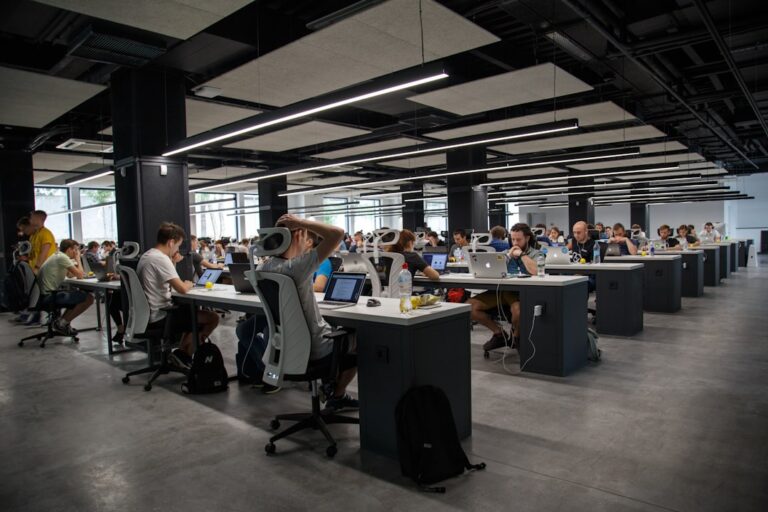

Introversion is a personality trait characterized by a preference for solitary activities and a tendency to feel drained after social interactions. Unlike extroverts, who thrive in social settings and often seek out group activities, introverts find their energy in quieter environments. This fundamental difference in how individuals recharge can significantly influence their career choices.
For many introverts, the ideal work environment is one that allows for deep focus, independent tasks, and minimal distractions. Understanding this aspect of introversion is crucial for both individuals and employers when considering career paths and workplace dynamics. In the context of career choices, introverts often gravitate towards roles that align with their strengths.
They may prefer jobs that require analytical thinking, creativity, or technical skills rather than those that demand constant social interaction. This inclination can lead to fulfilling careers that not only suit their personality but also allow them to excel. Recognizing the unique contributions of introverts in the workplace can help organizations create more inclusive environments that leverage the strengths of all personality types.
Key Takeaways
- Introverts thrive in careers that allow for independent work, deep focus, and minimal social interaction.
- Technology, healthcare, creative arts, research, and education offer many roles suited to introverted strengths.
- Introvert-friendly careers often emphasize analytical thinking, creativity, and thoughtful communication.
- Success tips for introverts include leveraging their listening skills, setting boundaries, and seeking supportive work environments.
- Understanding personal preferences helps introverts choose fulfilling careers aligned with their natural tendencies.
The Benefits of Introversion in the Workplace
Introverts bring a wealth of benefits to the workplace that are often overlooked in favor of more extroverted traits. One of the most significant advantages is their ability to listen actively and think critically. Introverts tend to be observant and reflective, which allows them to process information deeply before responding.
This quality can lead to more thoughtful decision-making and problem-solving, making them valuable team members in collaborative settings. Their preference for listening over speaking often fosters a culture of respect and consideration within teams. Moreover, introverts are typically self-motivated and capable of working independently.
This trait is particularly beneficial in roles that require sustained concentration and attention to detail. Introverts often excel in environments where they can manage their time effectively and work at their own pace. Their ability to focus deeply on tasks can lead to high-quality work and innovative solutions, contributing positively to overall productivity and success within an organization.
Characteristics of Introvert-Friendly Careers
Introvert-friendly careers share several key characteristics that cater to the preferences and strengths of introverted individuals. First and foremost, these careers often involve a significant amount of independent work or small group collaboration rather than large team dynamics. Jobs that allow for solitary focus or one-on-one interactions tend to be more appealing to introverts, as they provide the opportunity to engage deeply without the overwhelming stimulation of larger social settings.
Additionally, introvert-friendly careers often prioritize analytical thinking, creativity, and problem-solving skills. Roles that require research, writing, or technical expertise are particularly well-suited for introverts, as they allow for deep engagement with subject matter without the need for constant social interaction. Furthermore, these careers often offer flexible work environments, enabling introverts to create spaces that enhance their productivity and comfort.
Top Careers for Introverts in the Technology Industry
The technology industry is a haven for introverts, offering numerous career paths that align with their strengths and preferences. Software development is one of the most popular choices among introverted individuals. This role requires intense focus and problem-solving skills, allowing introverts to immerse themselves in coding and software design without the distractions of a bustling office environment.
The nature of programming often involves working independently or in small teams, making it an ideal fit for those who thrive on solitary tasks. Another promising career path within technology is data analysis. Introverts excel at sifting through large sets of data to identify trends and insights, a task that requires patience and attention to detail.
Data analysts often work behind the scenes, providing critical information that drives business decisions without needing to engage in extensive social interactions. Additionally, roles in cybersecurity offer introverts the chance to work independently while protecting sensitive information, further emphasizing the appeal of technology careers for those with introverted tendencies.
Exploring Introvert-Friendly Careers in Healthcare
| Career | Average Salary | Work Environment | Key Skills | Why Suitable for Introverts |
|---|---|---|---|---|
| Software Developer | 85,000 | Quiet, individual or small team | Programming, problem-solving, attention to detail | Allows focused, independent work with minimal social interaction |
| Technical Writer | 65,000 | Independent, desk-based | Writing, research, communication | Work primarily involves writing and research, limited meetings |
| Graphic Designer | 50,000 | Creative, often remote or solo work | Creativity, design software, attention to detail | Allows creative expression with minimal social demands |
| Librarian | 55,000 | Quiet, structured environment | Organization, research, customer service | Work involves managing resources and helping individuals one-on-one |
| Accountant | 70,000 | Office-based, focused tasks | Math, attention to detail, analytical skills | Tasks are detail-oriented and often done independently |
| Data Analyst | 75,000 | Office or remote, data-focused | Data interpretation, statistics, critical thinking | Work involves analyzing data with limited social interaction |
| Translator | 60,000 | Remote or quiet office | Language skills, attention to detail | Work is solitary and language-focused |
The healthcare sector also presents a variety of career options that cater to introverted individuals. One such role is that of a medical laboratory technician. This position involves conducting tests and analyzing samples in a controlled environment, allowing introverts to focus on their work without the need for constant patient interaction.
The meticulous nature of laboratory work aligns well with the strengths of introverts, who often excel in detail-oriented tasks. Another suitable career in healthcare is that of a medical coder or biller. This role requires individuals to translate medical records into standardized codes for billing purposes, which can be done independently with minimal social interaction.
Introverts may find satisfaction in this position as it allows them to utilize their analytical skills while contributing significantly to the healthcare system without being in the spotlight.
Introvert-Friendly Careers in the Creative Arts
The creative arts offer a diverse range of career opportunities that are particularly appealing to introverts. Many introverted individuals find fulfillment in roles such as graphic design or writing, where they can express their creativity while working independently. Graphic designers often spend hours honing their craft, allowing them to immerse themselves in projects without the need for constant collaboration or social engagement.
Writing is another field where introverts can thrive. Whether as authors, content creators, or technical writers, these roles allow individuals to communicate ideas effectively while working at their own pace. The solitary nature of writing aligns perfectly with the introverted preference for quiet reflection and deep thought, making it an ideal career choice for those who enjoy crafting narratives or conveying complex information through written words.
The Appeal of Introvert-Friendly Careers in Research and Analysis
Research and analysis careers are particularly well-suited for introverted individuals who enjoy delving into complex topics and uncovering new insights. Positions such as market researchers or academic researchers allow introverts to engage deeply with data and information while working independently or in small teams. These roles often require critical thinking skills and attention to detail, both of which are strengths commonly found in introverted personalities.
In addition to market research, roles in scientific research also attract many introverts. Whether working in laboratories or conducting field studies, researchers often spend significant time analyzing data and drawing conclusions based on their findings. The focus on independent work and intellectual exploration makes these careers appealing for those who prefer a quieter work environment while contributing valuable knowledge to their fields.
Finding Introvert-Friendly Careers in the Business World
The business world offers numerous opportunities for introverted individuals seeking fulfilling careers. Roles such as financial analysts or accountants allow introverts to work with numbers and data while minimizing social interactions. These positions require strong analytical skills and attention to detail, making them ideal for those who thrive on independent tasks rather than constant networking or team collaboration.
Additionally, project management can be an appealing option for introverts who enjoy organizing tasks and ensuring projects run smoothly. While this role may involve some level of communication with team members, it often allows for structured interactions rather than spontaneous socializing. Introverts can excel in project management by leveraging their organizational skills and ability to focus on long-term goals without becoming overwhelmed by social demands.
Introvert-Friendly Careers in Education and Training
Education and training careers also present opportunities for introverts to thrive while making a positive impact on others. Roles such as instructional designers or online educators allow individuals to create engaging learning experiences without the need for constant face-to-face interaction. These positions enable introverts to utilize their creativity and expertise while working independently or with small groups.
Moreover, special education teachers often find fulfillment in working one-on-one with students who require additional support. This role allows introverts to build meaningful connections with their students while focusing on individualized learning plans. The ability to create a nurturing environment where students can thrive aligns well with the strengths of many introverted educators.
Navigating Introvert-Friendly Careers in the Service Industry
While the service industry is often perceived as extrovert-dominated due to its emphasis on customer interaction, there are still numerous opportunities for introverts within this field. For instance, roles such as behind-the-scenes event planners or catering coordinators allow individuals to manage logistics without being constantly in the spotlight. These positions require strong organizational skills and attention to detail while minimizing direct customer engagement during execution.
Additionally, positions such as library technicians or archivists offer introverts a chance to work in environments focused on information management rather than customer service. These roles allow individuals to engage with materials quietly while contributing significantly to preserving knowledge and resources for others.
Tips for Introverts to Succeed in their Careers
For introverts seeking success in their careers, several strategies can enhance their professional journey. First, embracing one’s strengths is crucial; recognizing that deep thinking and active listening are valuable assets can boost confidence in workplace interactions. Additionally, setting boundaries around social engagements can help manage energy levels and prevent burnout.
Networking may feel daunting for many introverts; however, finding comfortable ways to connect with others can lead to meaningful relationships. Attending smaller gatherings or engaging in one-on-one conversations can create opportunities for networking without overwhelming social pressure. Lastly, seeking out roles that align with personal interests and strengths will not only lead to job satisfaction but also foster an environment where introverts can thrive professionally.
In conclusion, understanding the unique traits of introversion can lead individuals toward fulfilling career paths that align with their strengths while benefiting organizations by harnessing diverse talents within the workforce. By recognizing the value of introverted qualities across various industries—from technology and healthcare to creative arts—both employers and employees can create environments where everyone has the opportunity to succeed.
FAQs
What defines an introvert in the context of career choices?
Introverts are individuals who tend to feel more energized by solitary activities and often prefer working in quiet, low-stimulation environments. They typically enjoy deep focus and meaningful one-on-one interactions rather than large group settings.
What types of careers are generally suitable for introverts?
Careers that allow for independent work, minimal social interaction, and opportunities for deep concentration are often suitable for introverts. Examples include writing, graphic design, programming, research, accounting, and roles in libraries or archives.
Can introverts succeed in careers that require teamwork?
Yes, introverts can succeed in team environments by leveraging their strengths such as listening skills, thoughtful communication, and problem-solving. They may prefer smaller teams or roles that allow for individual contributions within a group.
Are there specific industries that are more introvert-friendly?
Industries such as technology, creative arts, research, finance, and education often offer roles that align well with introverted preferences, providing opportunities for focused, independent work.
How can introverts find the best career fit for their personality?
Introverts can assess their strengths, interests, and preferred work environments through self-reflection, career assessments, and informational interviews. Seeking roles that match their need for quiet, autonomy, and meaningful work can lead to greater job satisfaction.
Do introverts need to develop social skills for their careers?
While introverts may prefer less social interaction, developing effective communication and interpersonal skills is beneficial in most careers. These skills help in networking, collaboration, and career advancement.
Is remote work a good option for introverts?
Remote work can be an excellent option for introverts as it often provides a quieter, more controlled environment and reduces the need for frequent in-person social interactions.
Can introverts thrive in leadership roles?
Yes, introverts can be effective leaders by using their strengths such as active listening, thoughtful decision-making, and empathy. Leadership styles that emphasize collaboration and support often suit introverted leaders well.