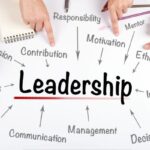


Leadership skills encompass a set of competencies that enable individuals to guide teams, make strategic decisions, and drive organizational progress. These skills are applicable across professional environments and personal contexts, serving as fundamental tools for managing people and resources effectively. Research indicates that effective leadership directly correlates with organizational performance and employee engagement.
Leaders who demonstrate strong capabilities in vision-setting, team guidance, and problem-solving contribute measurably to their organizations’ success rates. Studies show that companies with highly effective leaders are 13 times more likely to outperform their competitors. Leadership competencies include several key areas: emotional intelligence, which involves understanding and managing both personal and team emotions; communication skills, encompassing both verbal and non-verbal interaction; strategic thinking, which involves long-term planning and decision-making; and adaptability, the capacity to respond effectively to changing circumstances.
Additional competencies include conflict resolution, delegation, and performance management. The business environment’s increasing complexity and rapid pace of change have heightened the demand for skilled leaders. Organizations require individuals who can navigate uncertainty, manage diverse teams, and implement strategic initiatives effectively.
Data from leadership development studies demonstrates that organizations investing in leadership training experience 25% higher employee retention rates and 18% increased productivity compared to those that do not prioritize leadership development. Leadership development benefits both individual career advancement and organizational outcomes. Professionals who develop these skills typically experience faster career progression and increased earning potential, while their organizations benefit from improved team performance, enhanced innovation, and stronger competitive positioning in their respective markets.
Key Takeaways
- Effective leadership requires self-awareness, clear communication, and emotional intelligence.
- Identifying and adapting your leadership style enhances team motivation and performance.
- Embracing change and fostering collaboration drive innovation and organizational success.
- Setting clear goals and making strategic decisions are crucial for guiding teams effectively.
- Continuous learning and growth are essential for sustained leadership excellence.
Identifying Your Leadership Style
Understanding one’s leadership style is a critical step in becoming an effective leader. Each individual brings a unique set of experiences, values, and personality traits that shape their approach to leadership. Some may naturally gravitate towards a more authoritative style, while others may prefer a democratic or transformational approach.
Recognizing these tendencies allows leaders to leverage their strengths while also identifying areas for improvement. Self-awareness is key; by reflecting on past experiences and seeking feedback from peers, leaders can gain valuable insights into how they are perceived and how they can adapt their style to better meet the needs of their team. Additionally, it is important for leaders to recognize that their style may need to evolve over time.
Different situations and team dynamics may call for varying approaches. For instance, during times of crisis, a more directive style may be necessary to provide clear guidance and swift decision-making. Conversely, in stable environments where creativity is encouraged, a participative style may foster innovation and collaboration.
By being flexible and willing to adjust their leadership style as circumstances change, leaders can enhance their effectiveness and better support their teams.
Developing Effective Communication Skills
Effective communication is at the heart of successful leadership. A leader must be able to convey ideas clearly and persuasively while also being an attentive listener. This duality fosters an environment where team members feel valued and understood, which can significantly enhance engagement and productivity.
Leaders who prioritize open communication create a culture of transparency, where information flows freely and feedback is welcomed. This not only helps in building trust but also encourages team members to share their thoughts and ideas without fear of judgment. Furthermore, developing strong communication skills involves mastering various forms of communication, including verbal, non-verbal, and written.
Leaders should be adept at tailoring their messages to suit different audiences and contexts. For instance, delivering a motivational speech to a large group requires a different approach than having a one-on-one conversation with a team member about performance issues. By honing these skills, leaders can ensure that their messages resonate with their audience, leading to better understanding and alignment within the team.
Building and Motivating a High-Performing Team
Creating a high-performing team is one of the most significant responsibilities of a leader. This involves not only assembling individuals with the right skills but also fostering an environment where they can thrive. A leader must understand the unique strengths and weaknesses of each team member and leverage these attributes to achieve collective goals.
By promoting collaboration and encouraging diverse perspectives, leaders can cultivate a sense of belonging that motivates individuals to contribute their best efforts. Motivation is another critical component in building a high-performing team. Leaders should strive to understand what drives each team member—whether it be recognition, professional development opportunities, or a sense of purpose—and align these motivators with organizational objectives.
Regularly acknowledging achievements, providing constructive feedback, and offering opportunities for growth can significantly enhance team morale. When team members feel valued and engaged, they are more likely to go above and beyond in their roles, ultimately leading to improved performance and results.
Embracing Change and Adaptability
| Leadership Skill | Description | Key Metrics | Measurement Method |
|---|---|---|---|
| Communication | Ability to clearly convey ideas and information | Clarity score, Feedback rating, Message retention rate | Surveys, 360-degree feedback, Communication audits |
| Decision Making | Effectiveness in making timely and sound decisions | Decision accuracy, Time to decision, Outcome success rate | Performance reviews, Project outcomes, Peer evaluations |
| Emotional Intelligence | Ability to understand and manage own and others’ emotions | Empathy score, Conflict resolution rate, Stress management | Emotional intelligence assessments, 360 feedback, Self-assessments |
| Team Building | Skill in creating and maintaining effective teams | Team cohesion index, Employee engagement, Turnover rate | Employee surveys, Retention statistics, Team performance metrics |
| Strategic Thinking | Ability to plan long-term goals and anticipate challenges | Goal achievement rate, Innovation index, Risk management success | Project tracking, Innovation metrics, Risk assessments |
| Adaptability | Capacity to adjust to changing environments and challenges | Change adoption rate, Flexibility score, Problem-solving success | Change management feedback, Performance reviews, Scenario tests |
In an ever-evolving business landscape, the ability to embrace change is paramount for effective leadership. Leaders must not only accept change but also champion it within their organizations. This requires a mindset that views change as an opportunity for growth rather than a threat.
By modeling adaptability themselves, leaders can inspire their teams to remain open-minded and resilient in the face of challenges. This proactive approach helps organizations navigate transitions smoothly while minimizing resistance among team members. Moreover, embracing change involves being attuned to emerging trends and shifts within the industry.
Leaders should stay informed about technological advancements, market dynamics, and evolving customer preferences to make informed decisions that position their organizations for success. By fostering a culture that encourages innovation and experimentation, leaders can empower their teams to explore new ideas and solutions. This not only enhances adaptability but also drives continuous improvement within the organization.
Cultivating Emotional Intelligence
Emotional intelligence (EI) is a crucial attribute for effective leadership. It encompasses the ability to recognize one’s own emotions as well as those of others, allowing leaders to navigate interpersonal relationships with empathy and understanding. Leaders with high emotional intelligence are better equipped to manage conflicts, build rapport with team members, and create a supportive work environment.
By cultivating EI, leaders can enhance their decision-making processes and improve overall team dynamics. Furthermore, emotional intelligence plays a significant role in motivating others. Leaders who demonstrate empathy can connect with their team members on a deeper level, fostering trust and loyalty.
This connection enables leaders to better understand the needs and concerns of their teams, allowing them to provide appropriate support and guidance. As a result, emotionally intelligent leaders are often more effective in inspiring their teams to achieve common goals while maintaining high levels of engagement.
Setting Clear Goals and Objectives
Setting clear goals and objectives is fundamental for effective leadership. Leaders must articulate a compelling vision that aligns with the organization’s mission while providing direction for their teams. Clear goals serve as benchmarks for success, enabling team members to understand what is expected of them and how their contributions fit into the larger picture.
By involving team members in the goal-setting process, leaders can foster a sense of ownership and commitment that drives motivation. Moreover, it is essential for leaders to ensure that goals are specific, measurable, achievable, relevant, and time-bound (SMART). This framework provides clarity and focus while allowing teams to track progress effectively.
Regularly reviewing these goals helps maintain accountability and encourages continuous improvement. When teams have well-defined objectives to strive for, they are more likely to remain engaged and aligned with the organization’s vision.
Making Decisive and Strategic Choices
Decisiveness is a hallmark of effective leadership. Leaders are often faced with complex situations that require quick thinking and sound judgment. The ability to make informed decisions based on available data while considering potential risks is crucial for steering teams toward success.
A decisive leader instills confidence in their team members; they know that they can rely on their leader to take charge when necessary. Strategic decision-making involves analyzing various factors such as market trends, organizational capabilities, and stakeholder interests. Leaders must weigh these elements carefully before arriving at conclusions that will impact the direction of their teams or organizations.
Additionally, involving key stakeholders in the decision-making process can lead to more comprehensive solutions while fostering buy-in from those affected by the outcomes.
Inspiring and Influencing Others
Inspiration is a powerful tool in leadership that can drive individuals toward achieving extraordinary results. Effective leaders possess the ability to articulate a vision that resonates with their teams on an emotional level. By sharing personal stories or experiences that align with organizational goals, leaders can create a sense of purpose that motivates individuals to strive for excellence.
This inspirational approach fosters loyalty and commitment among team members who feel connected to the leader’s vision. Influencing others goes hand-in-hand with inspiration; it involves persuading individuals to embrace new ideas or changes within the organization. Leaders who build strong relationships based on trust are more likely to influence others positively.
By actively listening to concerns and addressing them thoughtfully, leaders can create an environment where team members feel empowered to voice their opinions while being open to new perspectives.
Fostering a Culture of Collaboration and Innovation
A collaborative culture is essential for fostering innovation within an organization. Leaders play a pivotal role in creating an environment where teamwork thrives—one where diverse ideas are welcomed, and individuals feel safe sharing their thoughts without fear of criticism. By encouraging collaboration across departments or teams, leaders can harness collective intelligence that leads to creative solutions for complex challenges.
Moreover, fostering innovation requires leaders to promote experimentation and risk-taking within their teams. Encouraging individuals to explore new approaches or technologies can lead to breakthroughs that drive organizational success. Celebrating both successes and failures as learning opportunities reinforces this culture of innovation while motivating team members to continue pushing boundaries.
Continuously Learning and Growing as a Leader
Leadership is not a destination but rather an ongoing journey of growth and development. Effective leaders recognize the importance of continuous learning—whether through formal education programs or informal experiences gained from day-to-day interactions with their teams. By seeking feedback from peers or mentors regularly, leaders can identify areas for improvement while also celebrating their successes along the way.
Additionally, staying informed about industry trends or emerging best practices allows leaders to adapt their strategies accordingly. Engaging in professional development opportunities such as workshops or conferences can provide valuable insights that enhance leadership effectiveness over time. Ultimately, by committing themselves to lifelong learning, leaders not only improve their own capabilities but also set an example for their teams—encouraging them to pursue growth in both personal and professional realms.
In conclusion, effective leadership encompasses a wide array of skills that are vital for guiding teams toward success in today’s dynamic environment. From understanding one’s leadership style to fostering collaboration and innovation within teams—each aspect contributes significantly toward creating an impactful leader who inspires others while driving organizational growth forward.
FAQs
What are leadership skills?
Leadership skills are the abilities and qualities that enable an individual to guide, motivate, and manage a group or organization effectively. These skills include communication, decision-making, problem-solving, delegation, and emotional intelligence.
Why are leadership skills important?
Leadership skills are important because they help individuals inspire and influence others, drive team performance, foster collaboration, and achieve organizational goals. Effective leadership can improve morale, increase productivity, and create a positive work environment.
Can leadership skills be learned or are they innate?
Leadership skills can be both innate and learned. While some people may have natural leadership tendencies, many leadership skills can be developed and improved through training, experience, and practice.
What are some common types of leadership styles?
Common leadership styles include transformational, transactional, democratic, autocratic, laissez-faire, and servant leadership. Each style has different approaches to decision-making, communication, and team management.
How can one improve their leadership skills?
Improving leadership skills can be achieved by seeking feedback, engaging in leadership training programs, practicing effective communication, setting clear goals, learning from mentors, and gaining experience through leading projects or teams.
What role does emotional intelligence play in leadership?
Emotional intelligence is crucial in leadership as it involves understanding and managing one’s own emotions and recognizing and influencing the emotions of others. High emotional intelligence helps leaders build strong relationships, resolve conflicts, and create a supportive work environment.
Are leadership skills important in all industries?
Yes, leadership skills are valuable across all industries and sectors. Effective leadership is essential for managing teams, driving innovation, and achieving success regardless of the field.
What is the difference between leadership and management?
Leadership focuses on inspiring and motivating people to achieve a vision or goal, often involving change and innovation. Management typically involves planning, organizing, and coordinating resources to maintain stability and efficiency. Both roles require different but complementary skills.
How do leadership skills impact team performance?
Strong leadership skills positively impact team performance by fostering clear communication, setting expectations, providing support, and encouraging collaboration. Good leaders help teams overcome challenges and stay focused on objectives.
Can leadership skills help in personal life as well?
Yes, leadership skills such as communication, empathy, and problem-solving are beneficial in personal life for building relationships, resolving conflicts, and making informed decisions.